
Fuel Mixing
2 Cycle Oil 1 Gallon: How Much Oil Should You Mix With Gas?
Learn how much 2 cycle oil 1 gallon of gas needs at 50:1, 40:1, or 32:1. See exact ounce measurements, mixing steps, and safety guidance.
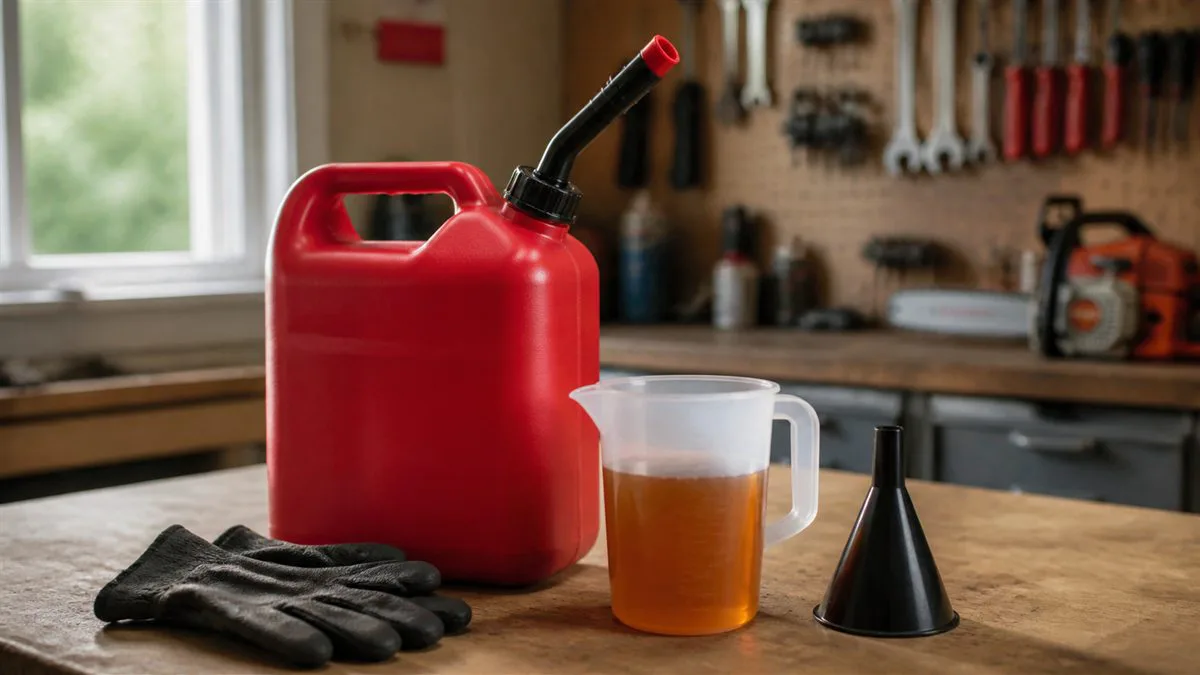
The search phrase 2 cycle oil 1 gallon can mean two different things: the amount of oil needed for one gallon of gasoline, or a full one-gallon container of two-cycle oil. If you are preparing fuel, the correct amount depends on the engine’s required ratio. Use 2.56 fluid ounces at 50:1, 3.2 ounces at 40:1, or 4 ounces at 32:1. Do not assume every two-cycle engine uses 50:1. Chainsaws, string trimmers, leaf blowers, outboards, dirt bikes, and older equipment may have different lubrication requirements. Some engines also use automatic oil injection instead of manually prepared premix. Check the operator’s manual, engine label, or fuel cap before measuring anything. A small error may cause smoke or plug fouling, while a serious shortage of oil can damage the piston, cylinder, and bearings.
Quick Answer
Here is the amount of two-cycle oil required for one US gallon of gasoline at common ratios:
- 50:1: 2.56 US fl oz, commonly rounded to 2.6
- 40:1: 3.2 US fl oz
- 32:1: 4 US fl oz
- 25:1: 5.12 US fl oz
- 20:1: 6.4 US fl oz
- 16:1: 8 US fl oz
- 100:1: 1.28 US fl oz Use only the ratio and oil specification listed for your particular engine.
2 Cycle Oil 1 Gallon Mixing Chart
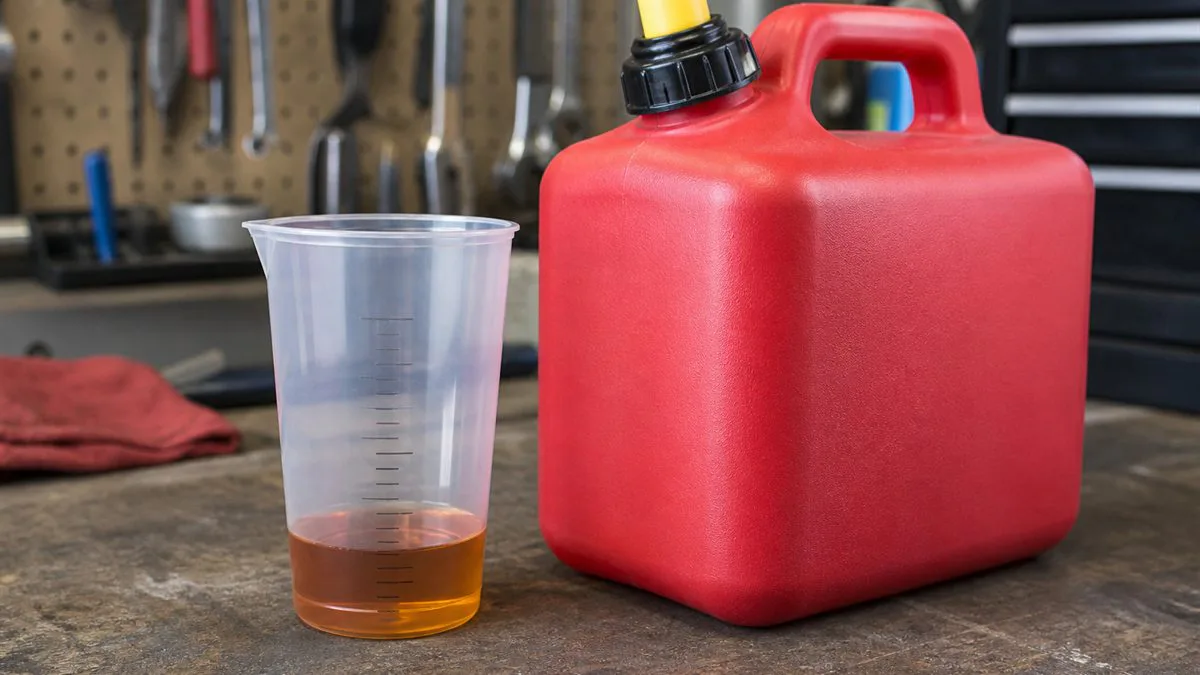
A fuel-to-oil ratio tells you how many equal parts of gasoline are combined with one equal part of oil. A 50:1 ratio means 50 parts gasoline to one part oil, while 40:1 means 40 parts gasoline to one part oil. The calculation is: Oil required = fuel volume ÷ ratio One US gallon contains 128 US fluid ounces. Divide 128 by the required ratio to calculate the oil amount.
| Required ratio | Oil for 1 US gallon | Oil per liter |
|---|---|---|
| 100:1 | 1.28 US fl oz | 10 ml |
| 50:1 | 2.56 US fl oz, usually rounded to 2.6 | 20 ml |
| 40:1 | 3.2 US fl oz | 25 ml |
| 32:1 | 4 US fl oz | 31.25 ml |
| 25:1 | 5.12 US fl oz | 40 ml |
| 20:1 | 6.4 US fl oz | 50 ml |
| 16:1 | 8 US fl oz | 62.5 ml |
| This table assumes you are starting with one measured US gallon of gasoline. The oil is then added to that gasoline. If the equipment’s manual defines the batch differently, follow its instructions. |
One gallon at 50:1
For a 50:1 fuel mixture: 128 ÷ 50 = 2.56 US fluid ounces Manufacturers commonly package 2.6-ounce bottles for a one-gallon batch because 2.6 is a convenient rounded measurement.
One gallon at 40:1
For a 40:1 mixture: 128 ÷ 40 = 3.2 US fluid ounces A 40:1 batch contains more oil than 50:1. The lower ratio number means there are fewer parts gasoline for each part of oil.
One gallon at 32:1
For a 32:1 mixture: 128 ÷ 32 = 4 US fluid ounces This measurement is easy to remember, but it should only be used in an engine that specifies 32:1.
How to Find the Correct Oil-to-Gas Ratio
The ratio is determined by the equipment manufacturer, not by the size of the oil bottle or the owner’s preference. Check these sources in order:
- The current operator’s manual
- A label on the engine or fuel tank
- The fuel cap or surrounding decal
- Official model-specific service information
- Instructions on an approved OEM oil bottle Horsepower, engine displacement, or equipment type alone may not provide the answer. Two chainsaws from different periods can require different mixtures, and an older outboard may not use the same ratio as a modern trimmer. Ratios such as 50:1, 40:1, and 32:1 are not interchangeable. More oil is not automatically safer. Adding extra oil changes the gasoline-to-oil balance and may increase smoke, deposits, and plug fouling. Supplying less oil than specified can reduce lubrication and cause serious damage. If the ratio is unknown, do not guess. Locate the model number and find the correct technical information before starting the engine.
How to Mix Two-Cycle Oil With One Gallon of Gas
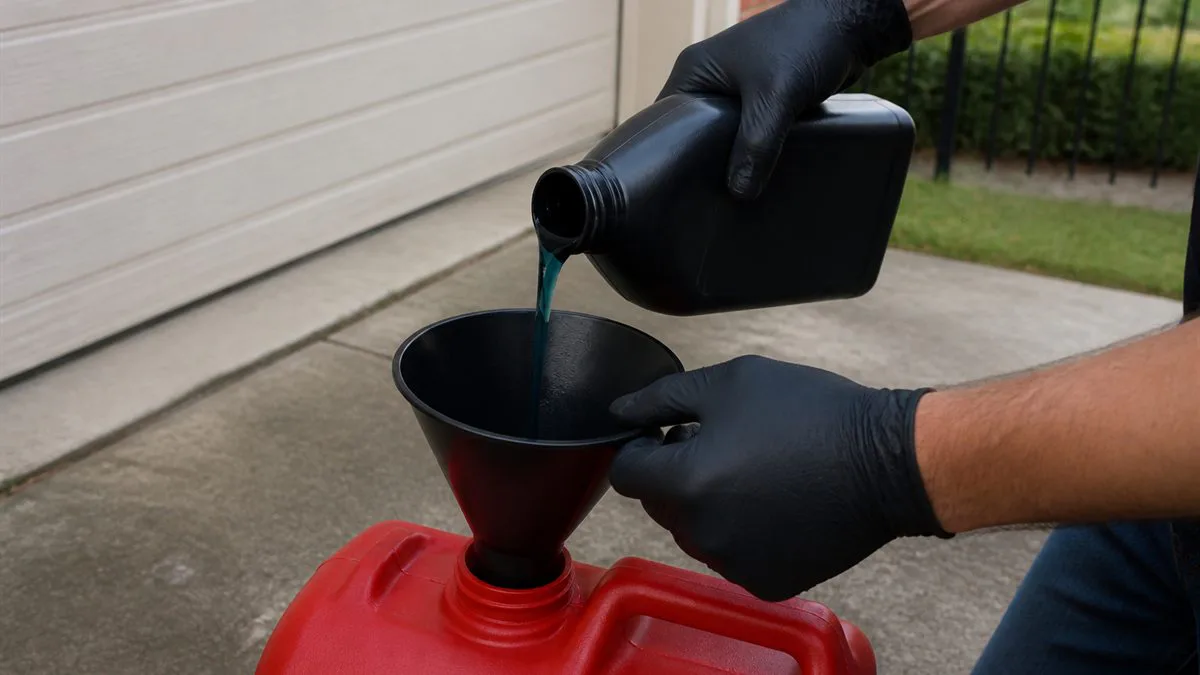
Prepare the mixture in an approved gasoline container rather than trying to blend gasoline and oil casually inside the equipment’s fuel tank.
- Confirm the ratio and oil specification.
Make sure the engine requires premixed fuel. Identify whether it needs an air-cooled oil standard, marine oil, or another specialized formulation. - Choose a ventilated location.
Work outdoors and away from cigarettes, flames, sparks, hot surfaces, or other ignition sources. - Use a clean fuel container.
The container must be approved for gasoline and free from water, dirt, diesel, or unidentified old fuel. - Add part of the gasoline.
Pour approximately half of the gallon into the container. This leaves room for the oil to disperse. - Measure the oil accurately.
Use a graduated mixing bottle, petroleum-resistant measuring cup, or correctly sized single-use bottle. - Add the oil and mix.
Close the can securely and agitate it so the oil begins combining with the gasoline. - Add the remaining gasoline.
Bring the fuel quantity to one gallon, close the container, and mix it again. - Label the container.
Write the ratio, oil type, and mixing date on the can. Follow the equipment manufacturer’s sequence if it differs. The main requirements are correct measurement, a compatible oil, an approved container, and thorough mixing. Allow hot equipment to cool before refueling. Clean around the fuel cap so debris cannot enter the tank, and wipe up any spill according to local safety requirements.
US and Imperial Gallons Are Different
The chart above uses a US gallon, which contains approximately 3.785 liters. An Imperial gallon contains approximately 4.546 liters and therefore requires more oil. At 50:1:
- One US gallon requires approximately 75.7 milliliters of oil.
- One Imperial gallon requires approximately 90.9 milliliters of oil. Do not use 2.6 US fluid ounces as the measurement for an Imperial gallon. Readers in countries that use liters can avoid this confusion by calculating in milliliters: Oil in milliliters = fuel in milliliters ÷ required ratio For example, five liters at 50:1 requires 100 milliliters of oil.
What Type of Two-Cycle Oil Should You Use?
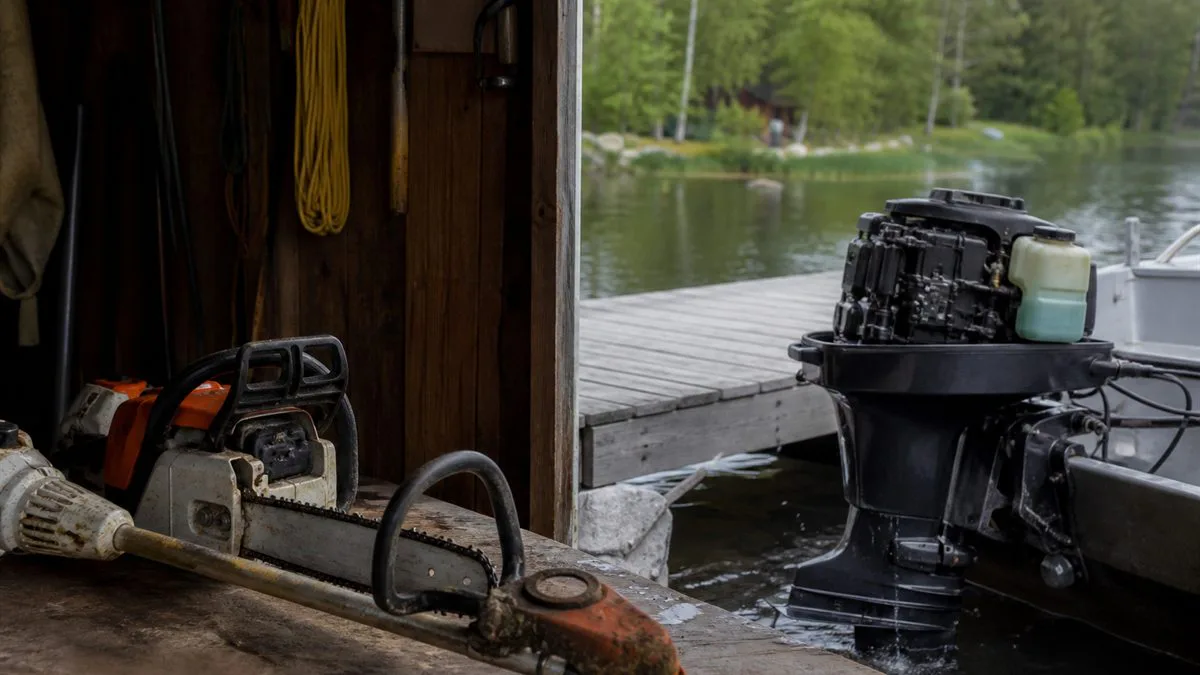
Use oil that meets the standard listed in the engine’s manual. “Two-cycle oil” is a broad category, not a guarantee that every product suits every engine.
Air-cooled two-stroke oil
Chainsaws, trimmers, blowers, and similar outdoor equipment operate at high temperatures. Many modern machines specify performance classifications such as JASO FD or ISO-L-EGD. These standards address areas including lubrication, detergency, smoke, and deposit control.
Marine two-stroke oil
Water-cooled outboards often require NMMA TC-W3 oil. Marine formulations are designed around water-cooled operation, fuel miscibility, rust protection, and deposit control. TC-W3 oil should not automatically replace air-cooled oil in a chainsaw or dirt bike.
Premix and injector oil
Premix oil is measured into gasoline before fueling. Injector oil is held in a separate reservoir and delivered through an oil pump. Some oils support both systems, while others are premix-only or formulated specifically for injection. Never put a thick premix-only racing oil into an injection reservoir unless the engine and oil manufacturers approve it. Also avoid confusing engine premix oil with:
- Four-stroke crankcase oil
- Automotive motor oil
- Chainsaw bar-and-chain oil
- Motorcycle transmission oil
- Gear lubricant These products perform different jobs and should not be added to gasoline as substitutes for approved two-cycle engine oil.
Premix vs. Automatic Oil Injection
A conventional premix engine depends on oil already blended into its gasoline. An oil-injected engine stores lubricant separately and meters it automatically. A separate oil tank, reservoir, supply line, or injection pump may indicate automatic lubrication. If the system is working correctly, do not automatically add a full premix dose to the gasoline. Doing so can result in excessive oil and poor operation. Special procedures may require temporary premix during break-in, oil-system priming, or repair verification, but these instructions are model-specific. They should come from the operator’s or service manual. If an oil-injection warning appears, stop and diagnose the system. Adding oil to the gasoline is not a universal substitute for repairing a failed pump, blocked line, faulty sensor, or empty reservoir.
What Happens If You Use Too Much Oil?
An oil-rich mixture contains more oil than the engine was designed to burn with a given amount of gasoline. Possible symptoms include:
- Excessive blue or gray exhaust smoke
- Oily residue around the muffler or exhaust
- Spark plug fouling
- Carbon deposits
- Exhaust-port or spark-arrestor restriction
- Hard starting
- Rough running
- Reduced power These symptoms do not always prove that the ratio is wrong. Rich carburetion, low engine temperature, a dirty air filter, stale fuel, weak ignition, or worn engine parts can cause similar problems. Do not correct an unknown batch by pouring in an estimated amount of gasoline. If the fuel volume, ratio, oil type, or previous contents are uncertain, replace the mixture with a fresh, accurately measured batch.
What Happens If You Use Too Little Oil?
An oil-lean mixture may not provide enough lubrication for the piston, cylinder, crankshaft, connecting-rod bearings, and other internal components. Possible consequences include:
- Increased friction and heat
- Piston or cylinder scoring
- Bearing damage
- Reduced compression
- Abnormal engine noise
- Engine seizure
- Permanent internal damage If straight gasoline was added to a premix-only engine, stop it as soon as safely possible. Do not assume that pouring oil into the equipment tank will instantly create an even mixture throughout the fuel line and carburetor. Remove or isolate the incorrect fuel and follow the manufacturer’s recovery procedure. An engine that operated under load without oil may require inspection before it is restarted.
How Long Does Mixed Two-Cycle Fuel Last?
There is no single storage period for every gasoline and oil combination. Fuel age, ethanol content, temperature, humidity, container seal, stabilizer, and manufacturer instructions can all affect useful storage life. Prepare only the amount you expect to use within the shortest applicable period. Date the container and store it:
- In a tightly closed approved fuel can
- In a cool, ventilated location
- Away from sunlight and ignition sources
- Outside living areas
- Where children cannot reach it Fuel stabilizer can slow the degradation of fresh gasoline when used correctly. It cannot restore fuel that is already stale, oxidized, water-contaminated, or phase-separated. Never pour unwanted premix onto the ground, into water, down a drain, or into household garbage. Take it to an approved fuel-recycling or hazardous-waste facility.
Does “One Gallon of 2-Cycle Oil” Mean One Gallon of Premix?
No. A one-gallon oil jug contains one gallon of concentrated two-cycle lubricant. It is intended for repeated mixing or use in a compatible oil-injection system. The entire jug should not be poured into one gallon of gasoline unless an unusual engine specification explicitly requires equal quantities. One US gallon of oil contains 128 fluid ounces. At an exact 50:1 ratio, that amount can mix with: 1 gallon of oil × 50 = 50 US gallons of gasoline The same gallon of oil would mix with:
- 40 gallons of gasoline at 40:1
- 32 gallons at 32:1
- 25 gallons at 25:1
- 20 gallons at 20:1 Bulk oil can be economical for landscaping crews, arborists, marine operators, or riders who consume large quantities. It also increases the need for accurate measuring equipment and clear container labels. A homeowner who uses little fuel may find premeasured bottles more convenient and less prone to error.
Frequently Asked Questions
How much two-cycle oil goes into one gallon of gas?
The amount depends on the specified ratio. Use 2.56 fluid ounces at 50:1, 3.2 ounces at 40:1, or 4 ounces at 32:1. Check the engine’s operator’s manual before choosing a measurement.
Is 2.6 ounces of oil per gallon a 50:1 mix?
Yes. The exact calculation is 128 fluid ounces divided by 50, which equals 2.56 fluid ounces. This is commonly rounded to 2.6 ounces and matches many premeasured one-gallon oil bottles.
How much oil is needed for one gallon at 40:1?
A 40:1 mixture requires 3.2 US fluid ounces of two-cycle oil per US gallon of gasoline. This mixture contains more oil than 50:1 and should only be used when specified by the equipment manufacturer.
How much oil is needed for one gallon at 32:1?
Use exactly 4 US fluid ounces of oil with one US gallon of gasoline. Do not use this amount merely because the engine is old; verify the model-specific ratio first.
Does every two-cycle engine use 50:1?
No. Common ratios include 50:1, 40:1, 32:1, and 25:1. Vintage engines may use other mixtures, while oil-injected engines meter lubricant separately. The correct ratio comes from the engine manufacturer.
Can I use automotive motor oil in a two-cycle engine?
Ordinary four-stroke automotive oil should not be used as premix. It is not designed to combine and burn like two-cycle oil and may contribute to deposits, spark plug fouling, blocked exhaust flow, and poor lubrication.
Can marine two-cycle oil be used in a chainsaw?
Only if the chainsaw manufacturer approves it. Marine TC-W3 oil is formulated for water-cooled engines, while a chainsaw may require JASO FD or ISO-L-EGD oil for hot air-cooled operation.
How should I fix an incorrectly mixed batch?
If you know the exact gasoline and oil quantities, the ratio may be corrected through calculation. If any amount, product, or previous mixture is uncertain, do not estimate. Safely replace the batch with fresh fuel mixed to the correct ratio.
Measure the Ratio Before Mixing
The correct answer to 2 cycle oil 1 gallon depends on the manufacturer’s required fuel-to-oil ratio. One US gallon needs 2.56 fluid ounces at 50:1, 3.2 ounces at 40:1, or 4 ounces at 32:1. Before preparing fuel:
- Confirm that the engine requires premix.
- Find its specified ratio.
- Select the required two-cycle oil.
- Measure in US or metric units without confusing gallon types.
- Mix in an approved container.
- Label the batch with its ratio and date. Accurate measurement protects the engine more reliably than adding extra oil or copying the ratio used by a different machine.
Mix with confidence
Calculate your exact oil amount
Choose your fuel volume and required ratio to get a precise premix measurement in US or metric units.
Open the mixing calculatorAbout the author

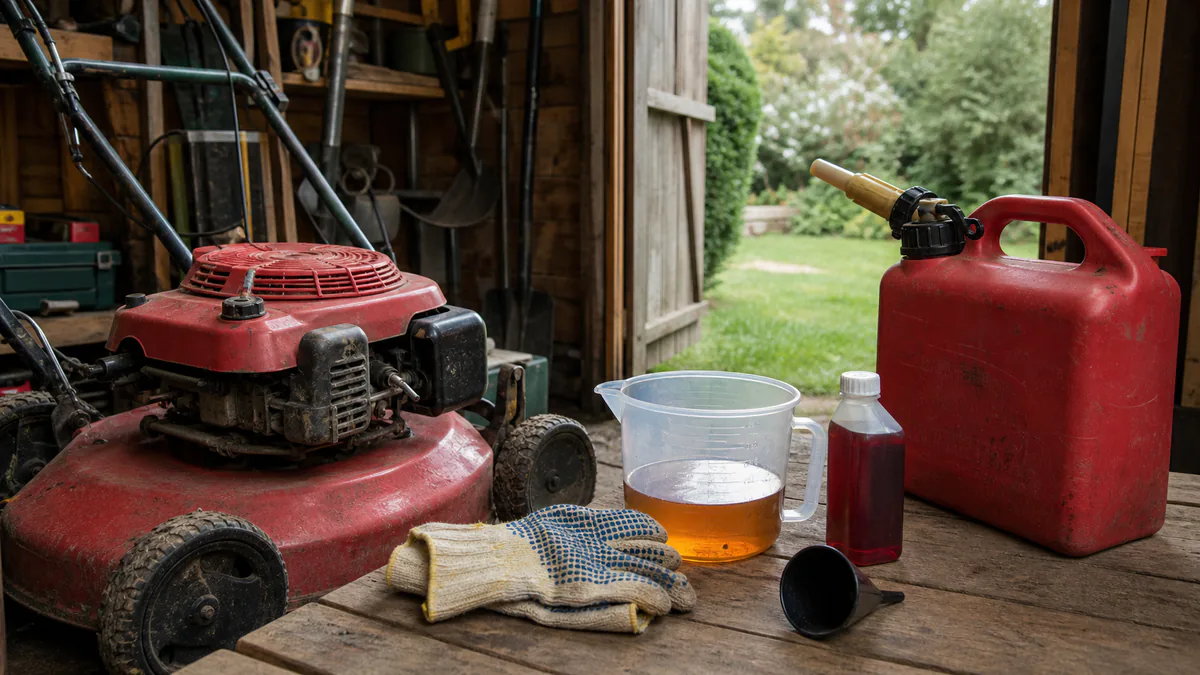
Understanding the 50:1 Petrol Mix Ratio
Learn what a 50:1 petrol mix means, how to measure and mix it for a two-stroke lawn mower, and which storage and handling mistakes to avoid.
Read article
50 to One Gas Mixture: Measurements, Chart, and Mixing Instructions
Learn how to make a 50 to one gas mixture using ounces or milliliters. See the 50:1 chart, formula, safe mixing steps, and ratio comparisons.
Read article
2 Stroke Dirt Bike Oil: Selection, Premix, and Ratio Guide
Choose the correct 2 stroke dirt bike oil for premix or injection, understand key standards, calculate ratios, and prevent common lubrication mistakes.
Read article